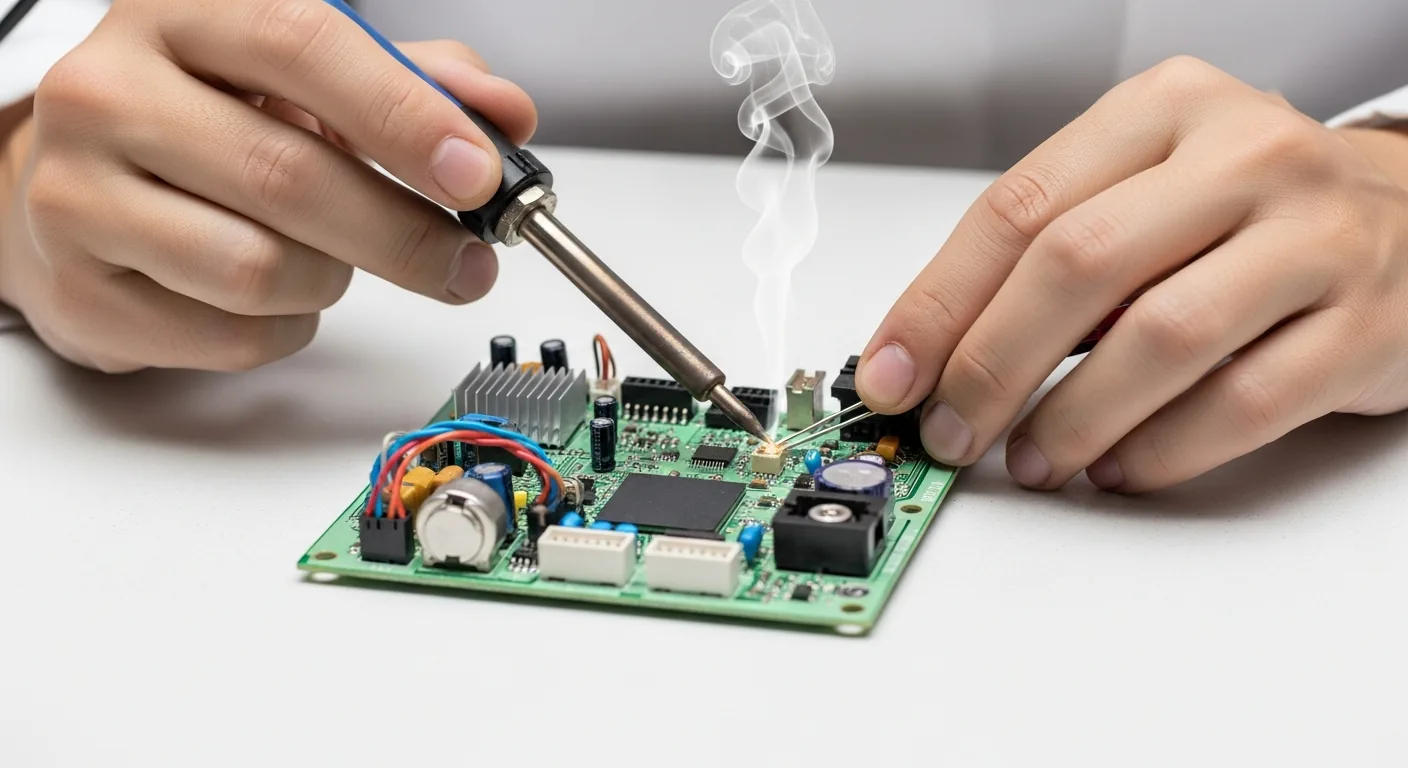
Most devices do not die suddenly; they cook slowly. Dust blankets fans, airflow chokes, temperatures climb, and performance quietly collapses long before anything fails outright. Understanding heat is understanding longevity. This post explains why thermal management is the single most underrated form of preventive repair, and why a few minutes of cleaning can add years to a machine's life.
Every working component generates heat, and every well-designed device has a plan for moving that heat away — fans, vents, heat spreaders, and carefully routed airflow. The problem is that this cooling system depends on clean, unobstructed paths. Over months and years, dust settles into those paths like sediment in a riverbed. The airflow slows, the temperatures rise, and the device begins to throttle itself to survive.

Throttling is the first visible symptom of a thermal problem, even though most people never recognise it as one. A machine that once felt responsive becomes sluggish under load. Fans spin louder and more often. The device grows uncomfortably warm to the touch. These are not signs of a worn-out processor; they are signs of a cooling system that can no longer keep up with the heat it was designed to manage.
Left unchecked, sustained heat shortens the life of nearly everything inside a device. It stresses solder joints, ages batteries faster, and pushes delicate components toward their limits day after day. The damage is gradual and cumulative, which is exactly why it is so easy to ignore until something finally gives way.
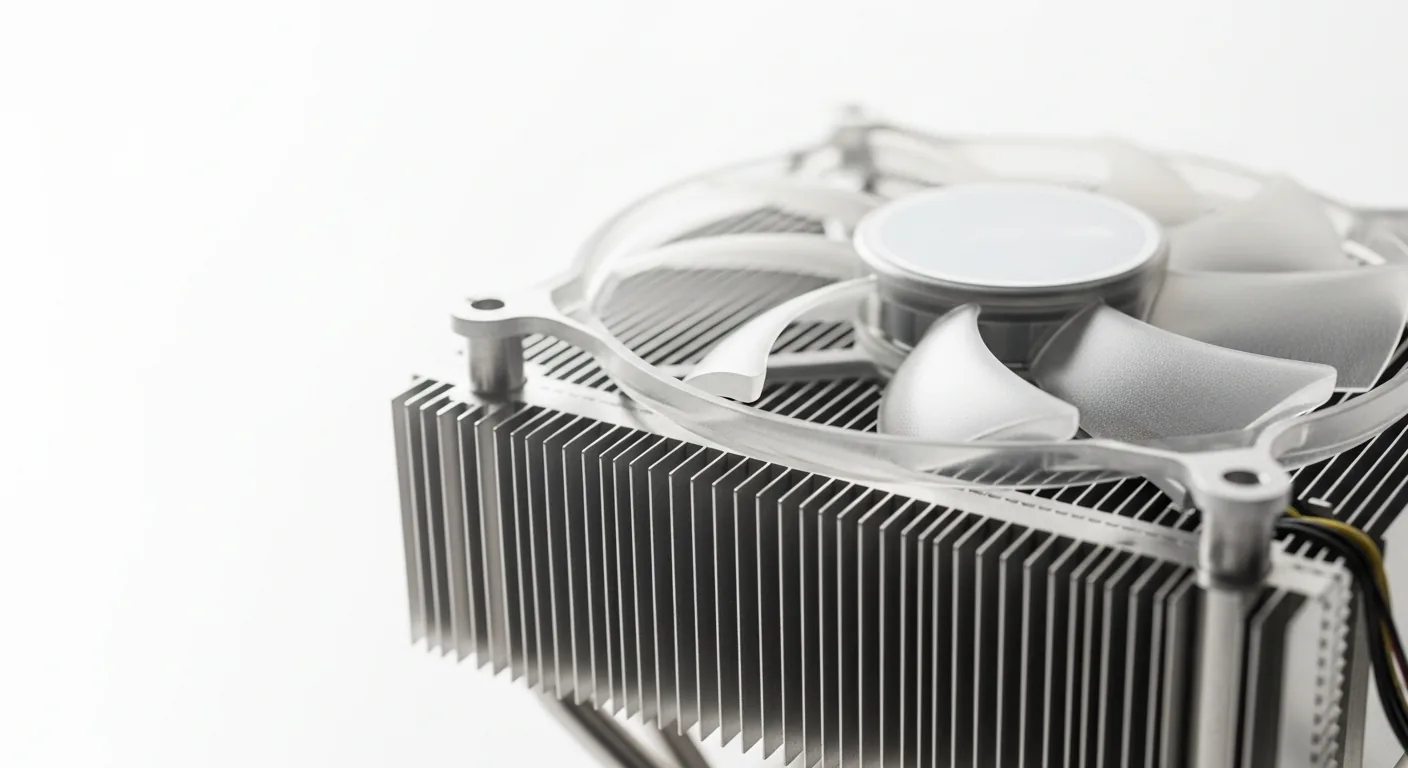
The encouraging part is that thermal maintenance is among the simplest and most rewarding forms of preventive repair. Clearing dust from vents and fans, keeping devices on hard surfaces that do not block airflow, and giving hard-working machines room to breathe all help the cooling system do its job. A few minutes of attention, repeated occasionally, can quietly add years to a device's useful life.
Repair110 is an informational resource. This article explains concepts and mindset, not guaranteed step-by-step fixes for every device. Always use your own judgement and prioritise safety.